The commercialization of solid-state batteries represents one of the most anticipated technological shifts in the energy storage sector. For years, researchers and industry leaders have touted the potential of this technology to revolutionize everything from consumer electronics to electric vehicles and grid storage. Unlike conventional lithium-ion batteries, which use liquid electrolytes, solid-state batteries employ solid electrolytes, promising significant improvements in energy density, safety, and longevity. However, the path from laboratory breakthrough to widespread market adoption is fraught with technical, economic, and logistical challenges that must be navigated with precision and strategic foresight.
At the heart of the solid-state battery's appeal is its fundamental design. The replacement of flammable liquid electrolytes with solid materials—often ceramics, polymers, or composites—drastically reduces the risk of fires and explosions, a critical concern in applications like electric vehicles. Moreover, solid electrolytes can enable the use of lithium metal anodes, which have a much higher energy density than the graphite anodes used in traditional batteries. This could lead to batteries that are not only safer but also capable of storing more energy in the same volume, potentially extending the range of electric vehicles and the battery life of portable devices.
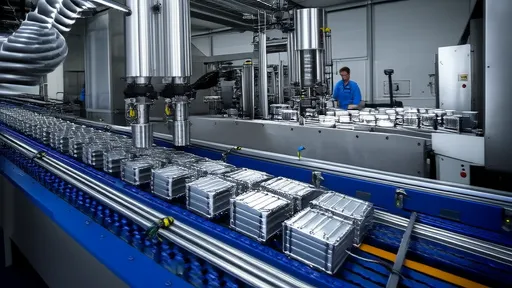
Despite these advantages, the journey toward commercialization has been slower than many optimists had hoped. One of the primary hurdles is manufacturing scalability. Producing solid-state batteries at a cost that is competitive with established lithium-ion technology requires innovations in materials synthesis, cell assembly, and quality control. Solid electrolytes can be brittle and difficult to integrate into cells without defects, which can lead to short circuits or reduced performance. Companies are investing heavily in developing proprietary processes to overcome these issues, but it will take time to refine these methods for high-volume production.
Another significant challenge is material availability and supply chain development. Some solid-state designs rely on materials such as sulfide-based electrolytes or indium and germanium, which may be scarce or expensive at scale. Ensuring a stable and cost-effective supply of these materials is essential for mass production. Additionally, the entire battery ecosystem—from raw material suppliers to cell manufacturers and end-users—must adapt to the new technology, which requires coordination and investment across multiple industries.
Nevertheless, progress is being made. Several startups and established battery makers have announced pilot production lines and partnerships with automotive manufacturers. These collaborations are crucial for testing and validating solid-state batteries in real-world conditions. For instance, electric vehicle manufacturers are particularly interested in how these batteries perform under extreme temperatures, rapid charging cycles, and long-term use. Data from these trials will inform further refinements and help build confidence among consumers and investors.
The economic implications of solid-state battery commercialization are profound. If successful, this technology could reduce the overall cost of energy storage by enabling longer-lasting and more efficient batteries. This, in turn, would accelerate the adoption of renewable energy sources by making it more feasible to store solar and wind power for use when the sun isn't shining or the wind isn't blowing. In the transportation sector, solid-state batteries could make electric vehicles more affordable and practical, contributing to a reduction in greenhouse gas emissions.
Regulatory and safety standards will also play a key role in the commercialization process. As a new technology, solid-state batteries must undergo rigorous testing to ensure they meet international safety and performance standards. Governments and industry bodies are working to establish guidelines that will facilitate the safe deployment of these batteries while encouraging innovation. Clear and consistent regulations will be vital for gaining public trust and ensuring a smooth transition from liquid electrolyte systems.
Looking ahead, the timeline for widespread commercialization remains uncertain. Some analysts predict that solid-state batteries will begin to appear in niche applications, such as high-end electronics or specialized medical devices, within the next few years. Broader adoption in electric vehicles and grid storage may take another decade, as manufacturers continue to address technical challenges and scale up production. However, the potential rewards are too great to ignore, and the race to bring solid-state batteries to market is well underway.
In conclusion, while the commercialization of solid-state batteries is not without its obstacles, the ongoing efforts by researchers, companies, and policymakers are steadily paving the way for a new era in energy storage. The transition will require patience, investment, and collaboration, but the benefits—enhanced safety, greater energy density, and a more sustainable future—make it a pursuit worth undertaking. As developments continue to unfold, the energy storage landscape is poised for a transformation that could reshape industries and improve lives around the world.

By /Aug 25, 2025
By /Aug 25, 2025
By /Aug 25, 2025

By /Aug 25, 2025
By /Aug 25, 2025
By /Aug 25, 2025

By /Aug 25, 2025

By /Aug 25, 2025

By /Aug 25, 2025
By /Aug 25, 2025

By /Aug 25, 2025
By /Aug 25, 2025

By /Aug 25, 2025

By /Aug 25, 2025

By /Aug 25, 2025
By /Aug 25, 2025
By /Aug 25, 2025
By /Aug 25, 2025

By /Aug 25, 2025
By /Aug 25, 2025