The landscape of modern medicine is undergoing a profound transformation, shifting from a one-size-fits-all approach to a more nuanced and individualized paradigm. At the heart of this revolution lies the burgeoning field of precision medicine, a discipline that leverages our growing understanding of the human genome to tailor medical care to the unique genetic makeup of each patient. This is not merely a theoretical concept confined to research papers; it is a dynamic and rapidly advancing practice that is already altering treatment protocols and improving patient outcomes across a spectrum of diseases, most notably in oncology.
The foundational principle of genomic-guided therapy is elegantly simple yet incredibly complex in its execution: our DNA holds the blueprint for our biological functions, including our predisposition to diseases and our individual responses to medications. By sequencing and analyzing a patient's genome, clinicians can identify specific genetic variants, mutations, and biomarkers that are driving a disease process. This information becomes a powerful compass, guiding therapeutic decisions away from standard, often empirical, treatments and towards highly targeted interventions designed to interact with the specific molecular pathways implicated in that individual's illness.
In the realm of oncology, this approach has moved from the fringe to the forefront of cancer care. Tumors are now routinely genetically profiled to identify targetable mutations. For instance, the presence of an EGFR mutation in non-small cell lung cancer patients is a clear indicator for treatment with EGFR tyrosine kinase inhibitors like erlotinib or osimertinib, which are far more effective and less toxic than traditional chemotherapy for this specific patient subgroup. Similarly, the identification of HER2 amplification in breast cancer dictates the use of targeted therapies such as trastuzumab, which has dramatically improved survival rates. This move from classifying cancer by its organ of origin to defining it by its genetic drivers represents a seismic shift in how we understand and combat the disease.
Beyond oncology, pharmacogenomics—the study of how genes affect a person's response to drugs—is becoming an integral part of clinical practice. Certain genetic markers can predict whether a patient will metabolize a drug too quickly, rendering it ineffective, or too slowly, leading to dangerous toxicity. For example, testing for variants in the CYP2C19 gene is now standard before prescribing clopidogrel, a common antiplatelet drug. Patients with poor metabolizer variants are at a significantly higher risk of experiencing a secondary cardiovascular event because they cannot activate the drug properly. For these individuals, an alternative therapy is chosen, thereby personalizing treatment to maximize efficacy and minimize harm.
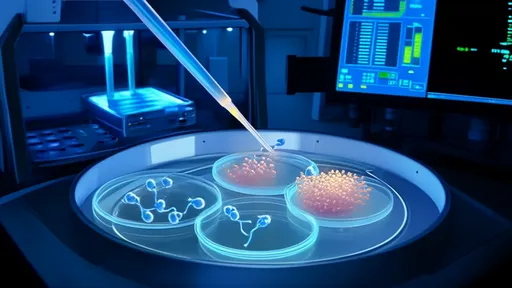
The practical implementation of this genomic-guided approach relies on a sophisticated ecosystem of technology and expertise. Next-generation sequencing (NGS) technologies have drastically reduced the cost and time required to sequence a human genome, making it feasible for clinical use. Bioinformaticians then employ complex algorithms to sift through the vast amounts of data generated, distinguishing clinically significant mutations from benign genetic noise. This interpreted data is then presented to molecular tumor boards or multidisciplinary teams of oncologists, geneticists, and pathologists who collaboratively determine the best course of action for the patient, often considering both approved therapies and potential clinical trial opportunities.
Despite its immense promise, the path to widespread adoption of precision medicine is fraught with challenges. The interpretation of genomic data remains complex, with many variants of unknown significance (VUS) whose clinical implications are simply not yet understood. Access to these advanced diagnostics and subsequent targeted therapies is not equitable, often limited by geographic location, socioeconomic status, and healthcare system infrastructure, raising significant ethical concerns about creating a two-tiered system of medical care. Furthermore, the sheer volume of data generated poses immense challenges for data storage, security, and patient privacy, requiring robust solutions to protect sensitive genetic information.
Looking ahead, the future of precision medicine is poised for even greater integration and sophistication. The convergence of genomic data with other forms of 'omics' data—such as proteomics (the study of proteins) and metabolomics (the study of metabolic profiles)—will paint an even more comprehensive picture of an individual's health status. Artificial intelligence and machine learning are expected to play a pivotal role in analyzing these immense, multidimensional datasets to uncover novel biomarkers and predict treatment responses with greater accuracy. The ultimate goal is a continuously evolving, dynamic model of health and disease for each individual, enabling preemptive interventions and truly personalized health management throughout a person's life.
In conclusion, genomic-guided individualized treatment is fundamentally reshaping the therapeutic landscape. It represents a move away from reactive, population-based medicine towards a proactive, patient-centric model. By decoding the unique genetic instructions within each person, clinicians are empowered to make more informed decisions, offering hope for more effective treatments, reduced side effects, and improved quality of life. While hurdles remain, the relentless pace of genomic science and technological innovation continues to solidify precision medicine not as a futuristic ideal, but as the definitive future of healthcare itself.

By /Aug 25, 2025

By /Aug 25, 2025

By /Aug 25, 2025

By /Aug 25, 2025

By /Aug 25, 2025

By /Aug 25, 2025

By /Aug 25, 2025

By /Aug 25, 2025

By /Aug 25, 2025

By /Aug 25, 2025

By /Aug 25, 2025
By /Aug 25, 2025

By /Aug 25, 2025

By /Aug 25, 2025
By /Aug 25, 2025

By /Aug 25, 2025

By /Aug 25, 2025

By /Aug 25, 2025

By /Aug 25, 2025

By /Aug 25, 2025