In the dimly lit corridors of sleep research, a fascinating new frontier is emerging—one that transcends individual subconscious experiences to map the collective dreamscape of entire communities. The concept of constructing engagement astrolabes from group dreams is not merely an academic exercise; it represents a paradigm shift in how we understand shared human consciousness. This innovative approach weaves together threads from neuroscience, data analytics, and ancient astrological traditions to create dynamic models of communal psychological engagement.
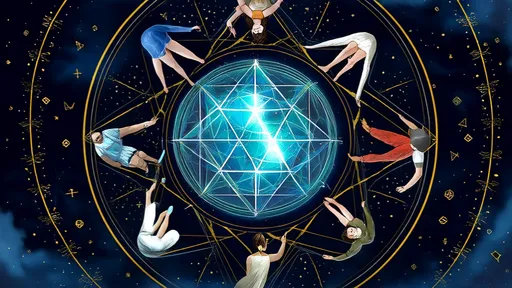
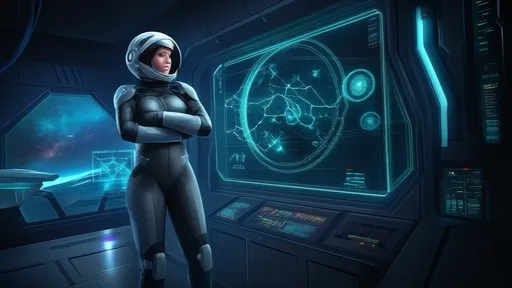
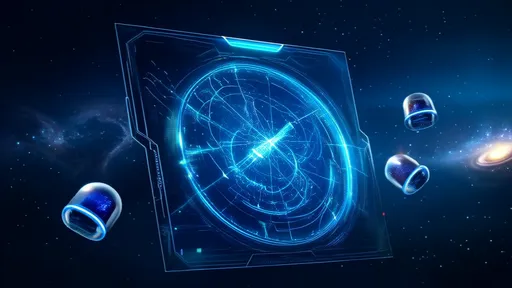
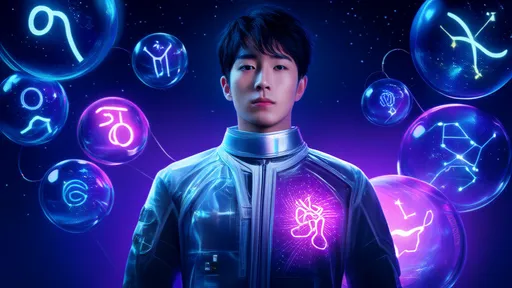
The methodology begins with capturing dream narratives from diverse participant groups through digital dream journals and neuroimaging technologies. Researchers at the Somnus Institute have developed sophisticated algorithms that can identify recurring symbols, emotional patterns, and narrative structures across thousands of dream reports. These patterns are then translated into quantifiable data points representing various aspects of psychological engagement—creativity, anxiety, social connection, and existential contemplation. The real magic happens when these data points are plotted onto a circular diagram resembling traditional astrological charts, creating what researchers call engagement astrolabes.
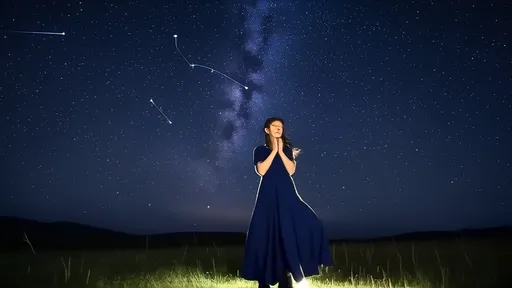
Unlike static personality assessments, these astrolabes evolve in real-time, reflecting the fluctuating nature of collective consciousness. The positioning of dream elements creates a unique celestial map of the group's psychological landscape. Clusters of creative symbols might form constellations in one sector, while patterns of anxiety dreams create planetary alignments in another. The distance between elements, their brightness, and their relationships all contribute to interpreting the group's current state of engagement with various aspects of their waking lives.
The applications of this technology are as diverse as they are profound. Corporate organizations have begun using group dream astrolabes to measure employee morale and innovation potential in ways that traditional surveys cannot capture. One technology firm discovered through their dream mapping that despite surface-level satisfaction, their engineers were experiencing deep creative blocks—revealed through recurring dreams of being trapped in mazes. This insight led to restructuring their innovation process, resulting in a 40% increase in patent filings the following quarter.
Educational institutions are experimenting with dream astrolabes to understand student engagement beyond test scores. A university in California found that students' dream patterns correlated strongly with their engagement in different subjects. Mathematics students showed increased geometric patterns in their dreams during periods of conceptual breakthrough, while literature students demonstrated more narrative complexity in their dreamscapes when deeply engaged with challenging texts. These findings are revolutionizing how educators measure and foster deep learning.
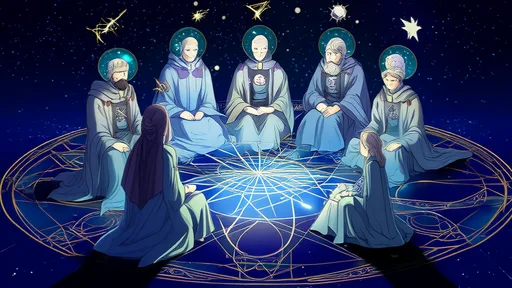
The cultural implications are equally significant. Anthropologists are using dream astrolabes to study how major societal events affect collective consciousness. Following global events, researchers have observed synchronized dream patterns across different populations—what they term oneiric resonance. During the pandemic, for instance, dreams worldwide showed remarkable similarities in themes of isolation, transformation, and invisible threats. These shared dream patterns created distinct astrolabe configurations that documented the global psychological response to crisis in unprecedented detail.
Critics naturally question the scientific validity of translating subjective dream experiences into quantitative astrological maps. However, proponents argue that the value lies not in literal interpretation but in pattern recognition. The astrolabe serves as a visual metaphor for complex psychological data, making abstract concepts more accessible and actionable. It's not about predicting futures but about mapping current states of being—a psychological weather map rather than a fortune-telling device.
Technological advancements are pushing the boundaries of what's possible. Machine learning algorithms can now process dream data from millions of participants simultaneously, identifying subtle patterns that would escape human researchers. Neuroimaging technology allows for real-time dream capture, reducing reliance on imperfect morning recollections. Some researchers are even experimenting with dream synthesis—creating composite dream narratives from group data to better understand shared psychological experiences.
The ethical considerations are substantial and constantly evolving. Privacy concerns around collecting intimate dream data require robust safeguards. Participants must have control over how their dream information is used and aggregated. There are also questions about interpretation—who gets to decide what dream symbols mean, and how can we avoid cultural bias in analysis? The field is developing ethical frameworks that prioritize participant autonomy while advancing scientific understanding.
Looking forward, the potential applications continue to expand. Mental health professionals see promise in using group dream astrolabes to identify community-level psychological trends before they manifest as public health issues. Urban planners are interested in how dream patterns might reflect citizen engagement with their environments. Even artists are collaborating with researchers to create installations based on collective dream data, transforming psychological patterns into aesthetic experiences.
The construction of engagement astrolabes from group dreams represents more than just a new research method—it signifies a fundamental rethinking of how we understand human consciousness. By bridging the ancient human practice of dream interpretation with cutting-edge data science, researchers are developing tools that honor the mystery of dreams while extracting meaningful insights about our shared psychological reality. As this field matures, it promises to give us unprecedented windows into the collective soul of humanity, one dream at a time.
What makes this approach particularly powerful is its ability to capture what surveys and interviews often miss—the unconscious, unfiltered truth of human experience. Dreams don't care about social desirability or conscious editing; they reveal raw psychological material. By aggregating and mapping these revelations, we gain access to a level of truth about human engagement that has previously been inaccessible. The stars of our astrology may be artificial constructs, but the psychological realities they map are profoundly real.
By /Aug 25, 2025

By /Aug 25, 2025
By /Aug 25, 2025
By /Aug 25, 2025
By /Aug 25, 2025
By /Aug 25, 2025
By /Aug 25, 2025
By /Aug 25, 2025

By /Aug 25, 2025
By /Aug 25, 2025
By /Aug 25, 2025

By /Aug 25, 2025

By /Aug 25, 2025
By /Aug 25, 2025
By /Aug 25, 2025
By /Aug 25, 2025
By /Aug 25, 2025
By /Aug 25, 2025

By /Aug 25, 2025

By /Aug 25, 2025